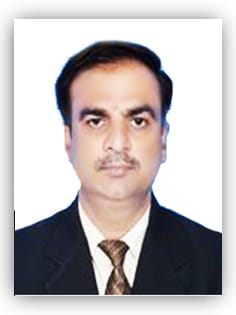
- Professor Manoj Kumar Mishra*, (Principal, International Business College, Patna, India)
Patna: In a world plagued by unprecedented climate crises, staggering wealth inequality, and the ethical dilemmas of rapid technological change, the global discourse on Sustainable Development often feels trapped within modern economic models. We search for solutions in multilateral treaties, technological fixes, and shifting policy frameworks. Yet, a deeper, more enduring wisdom lies embedded in the foundational epic of Indian civilization, the Valmiki Ramayana.
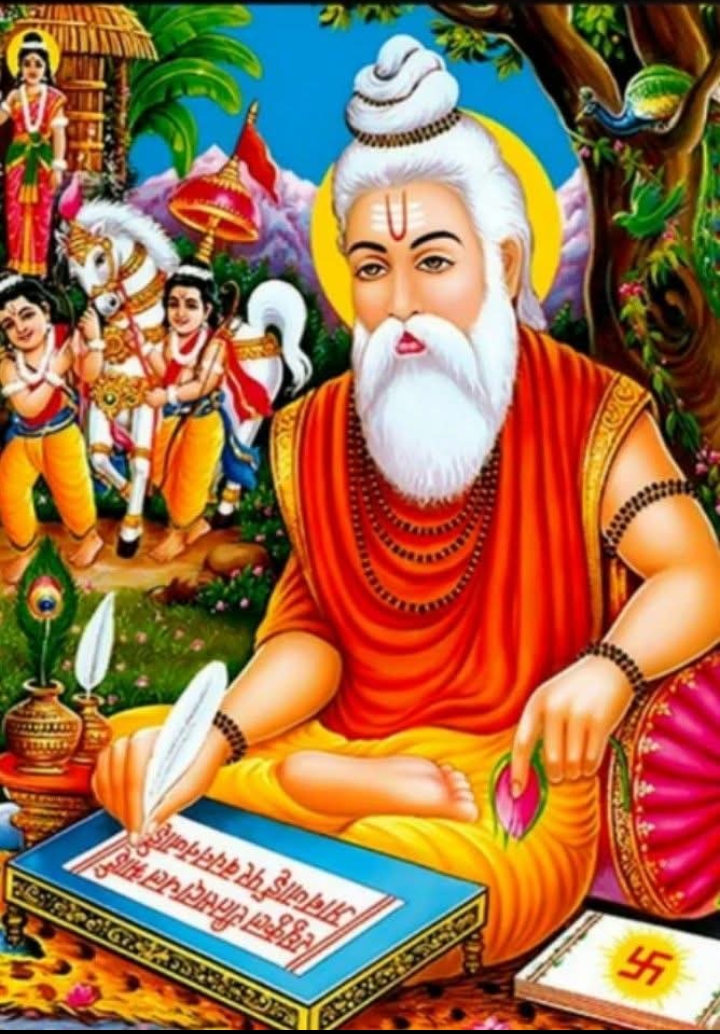
The Adi Kavi (First Poet), Maharishi Valmiki, a sage who lived and wrote from the heart of the forest (aranya), crafted not just a tale of moral conflict and righteous triumph, but a profound treatise on governance, social harmony, and, most remarkably, a timeless blueprint for sustainable human existence. Valmiki’s thought, centered on the principle of Dharma (righteous conduct), presents a holistic socio-economic model where human well-being is intrinsically linked to social equity and the sacredness of nature. This ancient vision aligns uncannily with the three pillars of modern sustainability: Economic Prosperity, Social Equity, and Environmental Stewardship.
I. The Economic Philosophy of ‘Rama Rajya’: Sufficiency over Consumption
The concept of ‘Rama Rajya’, the ideal state of governance during the reign of Lord Rama, is often invoked as a utopian social order. In Valmiki’s detailed description of this era, we find an economic philosophy that fundamentally challenges the modern paradigm of unlimited growth and consumption. The economy of Rama Rajya is one of Sufficiency, Ethical Production, and Judicious Stewardship.
- Ethical Wealth Accumulation (Artha-Dharma Synthesis)
Valmiki explicitly outlines that the pursuit of wealth (Artha) must be constrained and guided by Dharma (moral and cosmic law). Unlike a consumerist economy driven by Kāma (desire or pleasure), the ideal state ensures that material prosperity serves the entire community and does not violate ethical codes.
The King as Economic Steward: The King (Ruler) is the chief custodian of the state’s resources, not their owner. His duty is to ensure the protection of all producers, particularly the farmers and merchants (Vaisyas), who are the pillars of the economy. This implies a focus on a thriving primary and commercial sector, but one regulated by the principle of fairness and justice. The administration’s function is not to facilitate unbridled profit but to ensure that wealth is generated through honest means and circulated for the common good.
Taxation and Public Welfare: While the Ramayana acknowledges taxation as a legitimate means for the state, it implies a system that is non-oppressive and proportionate. The King is likened to the sun, which draws moisture from the earth only to return it a thousandfold as life-giving rain. This metaphor dictates that the state must invest collected wealth back into public services, infrastructure, and welfare, ensuring the sustained prosperity of the taxpayers. This aligns with modern concepts of fiscal sustainability and social safety nets.
The Cautionary Tale of Lanka: The kingdom of Ravana in Lanka, in contrast, represents an economy built on unethical wealth, military might, and resource exploitation. While materially opulent, its wealth is ill-gotten and devoid of Dharma, making the entire society structurally unsound and destined for collapse. Valmiki uses this narrative to provide a potent warning: economic systems that prioritize greed over morality are inherently unsustainable and destructive. - Infrastructure and Long-Term Planning
Valmiki’s descriptions of Ayodhya detail a highly advanced, well-planned city with robust infrastructure—wide roads, beautiful gardens, efficient water bodies, and well-maintained public spaces.
Engineering for Posterity: The logistics described during Bharata’s journey to Chitrakoot—where engineers and laborers swiftly construct roads and temporary housing—suggest a highly capable and organized civil engineering corps. This focus on durable, well-planned public works over ephemeral, high-cost projects is a key principle of sustainable economic development. The planning prioritizes resilience and longevity.
Ram Setu: The Collective Effort: The construction of the bridge to Lanka, the Ram Setu, symbolizes the ultimate community engagement and collaborative engineering. It shows the potential for massive, successful projects when a diverse collective (Vanaras and others) pool resources and skills under a shared, righteous vision. This is the ancient version of a successful public-private-community partnership for sustainable development.
II. The Social Pillar: Equity, Harmony, and Participatory Governance
Sustainable development demands Social Equity (SDG 10) and Peace, Justice, and Strong Institutions (SDG 16). Valmiki’s socio-political vision provides a moral and structural foundation for these goals, emphasizing the paramount importance of the Prajā (citizens). - The Principle of Inclusive Governance
The hallmark of ‘Rama Rajya’ is the King’s commitment to the welfare of all subjects (Prajā ranjana), regardless of their background, caste, or social standing.
Universal Happiness: The true measure of the ruler is the happiness and satisfaction of the subjects. Rama famously relies on the feedback from his people (Loka-apavāda or public opinion) and takes extreme, even personal, measures to uphold his commitment to their well-being. This demonstrates a system where governance is participatory and accountable, ensuring that development benefits reach the last person.
Dignity and Alliance: Rama’s alliances with diverse groups—the boatman Guha, the Vanaras (monkey-like beings) under Sugriva, the Rikshas (bear-like beings) under Jambavan, and the Rakshasa Vibhishana—are powerful metaphors for an inclusive and equitable society. It shows that true strength and success come from recognizing the inherent worth and utilizing the unique skills of every community and individual, regardless of their perceived social status or species. This is the essence of modern Social Inclusion and Diversity. - The Values of Dharma and Ahimsa
Valmiki’s social thought is deeply rooted in the moral codes of Dharma and non-violence (Ahimsa).
Moral Code for Stability: The epic instills virtues like truthfulness (Satya), duty (Kartavya), integrity, and compassion. These are not just personal ethics; they are the necessary social glue for a stable, low-conflict society. High social capital, built on trust and ethical behavior, is a prerequisite for long-term sustainable development, minimizing the resources wasted on managing conflict and corruption.
Family and Community Harmony: The extensive focus on ideal familial relationships (Rama-Sita, Rama-Lakshmana-Bharata-Shatrughna) emphasizes the family and the community as the fundamental units of social sustainability. A society with strong bonds, mutual respect, and a clear sense of duty at the micro-level is resilient to external shocks and internal conflict. - Education and Knowledge Society
The Ashrams of the Sages, like that of Valmiki, served as centers of learning, demonstrating the importance of Knowledge and Education (SDG 4) in the ancient socio-economic model.
Holistic Learning: Education was holistic, encompassing martial arts, statecraft, philosophy, and environmental knowledge. Luv and Kush, Rama’s sons, are raised and educated in Valmiki’s forest ashram, proving that the highest form of learning can occur outside the confines of the urban palace. This underscores the value of education that is context-specific, skills-based, and ethically grounded.
III. The Environmental Ethos: Prakriti and Purusha in Harmony
As a forest dweller, Maharishi Valmiki’s intimate connection with nature forms the most critical element of his sustainable development philosophy. He establishes an Eco-centric view, where nature (Prakriti) is not a mere resource but a living, sacred entity that is a co-partner in existence. This aligns directly with Life on Land (SDG 15) and Climate Action (SDG 13). - Nature as a Sacred and Sentient Being
Valmiki’s vivid descriptions of forests (aranya and vana), rivers, and mountains are infused with deep reverence, often personifying them as sentient beings.
The Forest as a Divine Sanctuary: The Ashrams were model ecological communities, where sages practiced an art of living characterized by minimal intrusion and non-violence (Ahimsa) towards flora and fauna. These communities demonstrated that a high quality of life (Jivan Mukti) could be achieved with minimal ecological footprint. The forest offered solace, refuge, and the perfect environment for spiritual and intellectual pursuit, contrasting sharply with the often stressful and morally compromised urban life.
The Ganga and Biodiversity: Rivers like the Ganga are revered as sacred mothers, whose purity is essential for human life and civilization. This is the ultimate expression of the conservation of water resources (SDG 6) and environmental health. Valmiki’s detailed descriptions of diverse flora and fauna, such as in the Kishkindha forest, highlight the importance of biodiversity and ecological integrity. - Resource Management: Restraint and Regeneration
Valmiki provides clear narratives that serve as ancient environmental ethics:
The Ethical Restraint on Resource Use: The act of Ravana’s allies (demons) cutting down trees and destroying the forests around the sages’ retreats is consistently portrayed as an act of Adharma (unrighteousness), leading to eventual downfall. This sends a powerful message that environmental exploitation is moral bankruptcy and leads to social chaos.
Regeneration and Harmony: The story of Rama killing the demoness Tataka, whose presence had scorched and rendered the forest fallow, and the subsequent return of life to the Dandaka forest, symbolizes the duty of the righteous to restore and regenerate degraded environments. This is the ancient call for ecological restoration and stewardship.
Minimalism as a Moral Imperative: Rama’s fourteen years of exile, living off the forest, is a practical demonstration of sustainable consumption and production (SDG 12). The royal family lives a life of enforced simplicity, proving that one can thrive by meeting basic needs without resorting to wasteful exploitation. This is the practical lesson of limited wants and material renunciation.
IV. Valmiki’s Timeless Principles for Modern SDGs
The philosophy of Maharishi Valmiki is startlingly relevant to the contemporary global agenda, providing a moral and ethical framework for the United Nations’ Sustainable Development Goals (SDGs):
Valmiki’s Principle
Ramayana Evidence
Alignment with Modern SDG
Dharma-Centric Economy
The King prioritizing justice (Dharma) over wealth (Artha); ethical earning.
SDG 8 (Decent Work and Economic Growth) & SDG 16 (Peace, Justice, and Strong Institutions)
Prajā-Ranjana (Citizen Welfare)
Rama’s accountability to public opinion; equal protection for all subjects.
SDG 1 (No Poverty) & SDG 10 (Reduced Inequalities)
Social Inclusion & Unity
Alliances with Guha, Sugriva, and Vibhishana; valuing every community.
SDG 10 (Reduced Inequalities) & SDG 17 (Partnerships for the Goals)
Eco-Reverence (Prakriti-Pūjā)
Sanctity of rivers (Ganga) and forests (Ashrams); non-violence to animals.
SDG 6 (Clean Water) & SDG 15 (Life on Land)
Resource Restraint & Regeneration
Minimalist living in the forest; punishment for deforestation and pollution.
SDG 12 (Responsible Consumption and Production) & SDG 13 (Climate Action)
The genius of Valmiki lies in presenting sustainability not as a policy option, but as a moral imperative. He shows that the three pillars of sustainability—economy, society, and environment—are not separate, but a single, integrated reality. To harm one is to jeopardize the whole. The story of Rama is ultimately the story of a Dharma-bound existence that ensures the well-being of the current generation while securing the future—the very definition of Intergenerational Equity.
The global community, and India in particular, stands at a critical juncture. Revisiting the Socio-Economic Thought of Maharishi Valmiki offers a profound, indigenous wisdom to guide our future. It teaches us that true development is not measured by the size of our economy, but by the depth of our compassion, the strength of our ethics, and the purity of our relationship with the natural world. In Valmiki’s Ramayana, we find the perennial truth: human prosperity is impossible without planetary health. The path to a truly sustainable world has been illuminated for millennia; we only need the wisdom and the will to follow it.