
By P. Shravan Kumar, CEO, SK A&G*
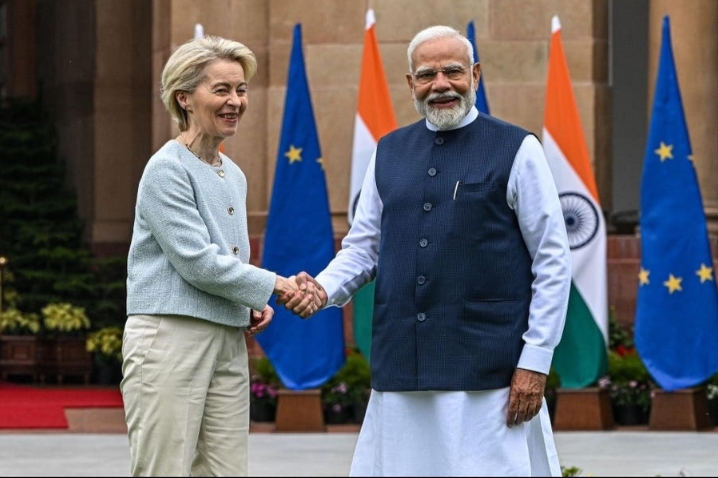
New Delhi, India — India’s historic Free Trade Agreement (FTA) with the European Union, concluded after nearly two decades of negotiations, represents a watershed moment in the nation’s trade diplomacy and opens transformative opportunities for exporters and importers alike.
Covering a combined market of nearly 2 billion people and approximately 25% of global GDP, the agreement ushers in a new era of deeper economic integration and preferential market access between Asia’s fastest-growing major economy and Europe’s expansive single market.
Once implemented — anticipated from 2027 — the FTA will eliminate tariffs on around 90% of India’s exports to the EU immediately, with phased reductions extending preferential access to over 99% of bilateral trade value. Key labour-intensive sectors such as textiles, leather, footwear, spices, gems and jewellery, and marine products — which previously faced duties of up to 20% or more — are expected to gain significant competitive advantage through tariff-free access.
This development is poised to enhance India’s export competitiveness, particularly against regional rivals such as Bangladesh, Vietnam, and Turkey, which have historically benefited from preferential European access. Industry analysts estimate that India’s exports to the EU could double to nearly $150 billion within five years of implementation, driving employment generation, manufacturing growth, and industrial expansion.
Indian importers will also benefit substantially. The agreement will reduce or eliminate tariffs on a broad spectrum of European goods, including industrial machinery, chemicals, pharmaceuticals, and premium products such as wines and spirits. Access to high-quality intermediate inputs at reduced costs will enable Indian manufacturers to lower production expenses and integrate more effectively into global value chains, strengthening competitiveness in both domestic and export markets.
Beyond goods trade, the FTA strengthens services trade and regulatory cooperation. It provides more predictable market access for Indian IT and professional services firms, alongside streamlined customs procedures designed to reduce delays and transaction costs.
While the agreement presents immense opportunity, it also necessitates preparedness. Indian industries must align with stringent EU standards and adapt to increased competition from European firms entering the Indian market under reduced tariffs. Supply chain resilience, quality compliance, and strategic execution will be critical to maximizing the agreement’s potential.
The India–EU FTA is far more than a trade agreement — it is a strategic platform for export diversification, manufacturing competitiveness, and deeper integration into global trade networks. If leveraged effectively, it can significantly expand India’s export footprint and enrich its import ecosystem over the coming years.
*(SK A&G is a leading advisory firm specializing in trade strategy, regulatory compliance, and global market integration, supporting businesses in navigating complex international trade environments.)


