By Coach Akinola
Women Reportedly Targeted in Widening National Uprising
February 2026 :: Iran is facing its most severe internal crisis in decades, as nationwide protests that began over economic collapse have escalated into a broader uprising against the political system. Human rights organizations report thousands of deaths and tens of thousands of arrests since early January, although official figures remain significantly lower.
The unrest, initially triggered by the rapid collapse of the Iranian rial in late December 2025, has evolved into a movement uniting shopkeepers, students, and urban workers. As demonstrations shifted from economic grievances to calls for systemic change, security forces intensified their response, leading to what international observers describe as an “unprecedented deadly crackdown.”
From Currency Crisis to Nationwide Protests
The first signs of unrest emerged on December 28, 2025, when shopkeepers in Tehran’s Grand Bazaar launched strikes amid soaring inflation and economic instability. What began as protests against mismanagement quickly broadened into political demonstrations. By January 8, 2026, calls for nationwide action brought tens of thousands into the streets across major cities. Protest slogans reportedly shifted from economic reform to demands for the “end of the system.” Authorities responded with force. Security units including the Islamic Revolutionary Guard Corps (IRGC), the Basij militia, and FARAJA (national police) were deployed across urban centers.
Reports of Gender-Specific Violence
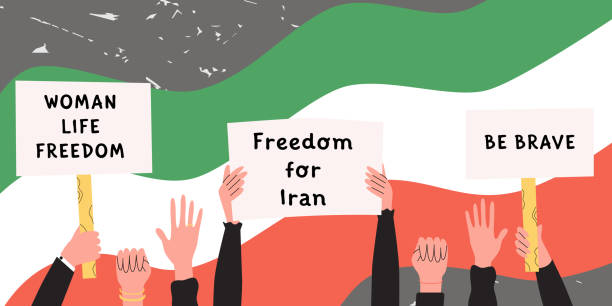
Women, many of whom were active during the 2022 “Woman, Life, Freedom” movement, have again taken prominent roles in organizing and leading demonstrations. Human rights groups say this visibility has made them primary targets. Amnesty International and the UN Independent International Fact-Finding Mission report:Use of shotguns loaded with metal pellets and live ammunition fired into crowds. Injuries concentrated in the eyes, faces, and upper body, suggesting possible deliberate targeting. Arrests carried out days after protests using facial recognition technology under enforcement measures linked to the “Chastity and Hijab Law.”Medical personnel cited by rights organizations describe hospitals being monitored by security forces, with some injured protesters reportedly removed before official registration.
The Iranian government has not publicly acknowledged deliberate targeting of women and maintains that security forces are responding to “rioters” and “armed agitators.”Casualty Figures Disputed The true scale of casualties remains unclear, particularly following what observers describe as the longest internet blackout in Iran’s history, imposed on January 8. Reported figures vary widely: Source: Reported Fatalities Reported Arrests Iran Supreme Council 3,117 Not disclosed UN Special Rapporteur 5,000 – 20,000 Not disclosed HRANA / Independent Groups 4,500+ 26,000 – 41,880 Independent monitoring groups state that over 6,000 people may have been killed or severely injured by direct gunfire since January.
Verification remains difficult due to communication restrictions and limits on foreign media access.Case Highlight: The Kavandi Sisters The case of Melika and Sara Kavandi has drawn attention among rights advocates. According to activists, the sisters were arrested on February 8 during a raid on their home in Karaj while mourning their father. Melika Kavandi, previously detained during the 2022 protests, was reportedly charged with “absconding” for not being present at home during an earlier security visit. Rights groups say the case illustrates what they describe as the “criminalization of everyday life” amid the crackdown.Iranian authorities have not publicly responded to the specific allegations.Official Response and International Reaction On January 17, Supreme Leader Ayatollah Ali Khamenei referred to protesters as “rioters” who must be “put in their place,” framing the unrest as foreign-instigated destabilization.
The international response has been mixed: United Nations: The Human Rights Council renewed the mandate of its Fact-Finding Mission and called for an immediate halt to what it described as an “extraordinarily harsh crackdown.”United States: President Donald Trump warned of possible consequences, including potential military action, statements that Tehran condemned as violations of international law. China and Russia: Both governments characterized the unrest as an internal Iranian matter and cautioned against external interference. Broader Social Impact Analysts say the crisis reflects deeper structural tensions within Iranian society.
Youth unemployment, economic contraction, and restrictive social policies have intensified dissatisfaction, particularly among women. Labor force participation for women remains below 15%, according to international economic estimates. Rights organizations report rising cases of femicide in recent years and describe a climate of legal and social constraints affecting women’s public participation. Psychologists working with Iranian diaspora communities report widespread trauma among families affected by detentions and what advocacy groups term “enforced disappearances.”Verification Challenges The near-total telecommunications blackout has significantly hindered independent reporting. State-affiliated outlets have aired televised confessions of detainees, portraying them as agents of foreign governments. Human rights organizations say they are relying on satellite imagery, forensic analysis, and cross-verified eyewitness testimony to document events. They warn that accurate casualty counts may take months or years to establish.
An Unresolved Crisis
As of mid-February 2026, protests in major cities have reportedly diminished following intensive security operations. However, observers caution that underlying grievances—including economic collapse, political exclusion, and gender-based restrictions—remain unresolved. The current unrest marks a continuation of the 2022 “Woman, Life, Freedom” movement, but analysts note a significant shift: the scale and intensity of state force. Whether Iran moves toward reform, prolonged repression, or further instability remains uncertain. What is clear, observers say, is that the crisis has entered a new and potentially defining phase for the country’s political future.
(The views expressed are solely those of the author.)