
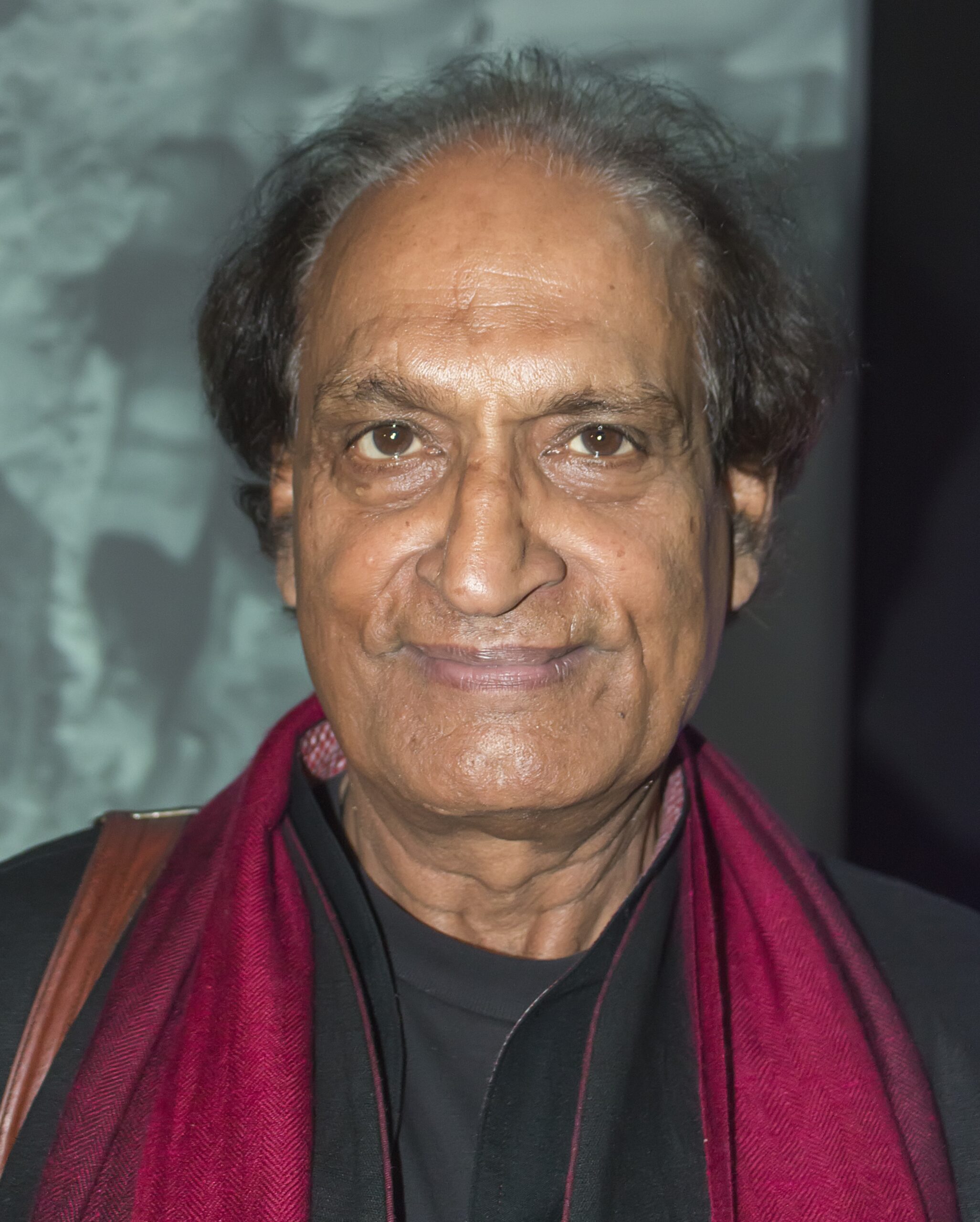
By Kanchan Choudhary
New Delhi, April 26, 2026 :: Renowned Indian photographer and photojournalist Raghu Rai, widely celebrated as one of the pioneers of modern Indian photojournalism, passed away on Sunday morning at a private hospital in Delhi. He was 83 years old.
His family shared the news through a post on his official Instagram account. According to his son, noted photographer Nitin Rai, the veteran artist had been battling prostate cancer for the last two years. Though he initially responded to treatment, the illness later spread to his stomach, leading to further complications.
Born on December 18, 1942, in Jhang (then British India, now in Pakistan), Raghu Rai initially trained as a civil engineer. However, at the age of 23, he discovered his passion for photography, inspired largely by his elder brother, acclaimed photographer S. Paul (Sharampal Chowdhry).
Rai began his professional career as chief photographer with The Statesman newspaper from 1966 to 1976, where his striking visual storytelling quickly earned national attention. In 1971, legendary French photographer Henri Cartier-Bresson was so impressed by Rai’s exhibition at Gallery Delpire in Paris that he nominated him to join the prestigious Magnum Photos cooperative. Rai officially became a member in 1977, becoming the first Indian photographer to receive the honour.
Later, he served as Picture Editor and Visualiser for India Today magazine between 1982 and 1991, producing memorable photo essays on politics, society, and culture during a transformative era in Indian history.
Over a remarkable career spanning more than six decades, Raghu Rai’s camera captured the spirit of India—its ordinary people, struggles, celebrations, historic turning points, and cultural richness. His photographs became more than images; they became enduring records of the nation’s collective memory.
Among his most iconic works were the haunting images of the 1984 Bhopal Gas Tragedy, which brought global attention to the scale of the disaster. He also created unforgettable portraits of figures such as Mother Teresa and former Prime Minister Indira Gandhi, along with celebrated long-term projects on Delhi, the Himalayas, and India’s spiritual life.
He was honoured with the Padma Shri in 1972 for his outstanding contribution to photography, particularly his coverage of the Bangladesh Liberation War.
Tributes poured in from across the country. Congress leader Rahul Gandhi wrote on social media:
“Raghu Rai Ji’s lens documented the soul of India for over six decades — its people, struggles, joys, and decisive moments. He did not just click pictures; he preserved the memory of our nation. My heartfelt condolences to his family, colleagues, and millions of admirers.”
Members of the photography and journalism fraternity remembered him as a mentor who taught generations “how to see” India with compassion, depth, and honesty.
Raghu Rai also authored several acclaimed books and founded the Raghu Rai Foundation, dedicated to promoting photography education and preserving visual heritage.
His last rites are scheduled to be held today at 4:00 PM at Lodhi Road Crematorium, Delhi.
With Raghu Rai’s passing, India has lost one of its greatest visual storytellers. His timeless photographs will continue to inspire generations and remain a living archive of the nation’s journey.

